Prairie Region

Prairie Region: Alberta, Saskatchewan, Manitoba
Species at Risk Act (SARA) Consultation, Cooperation and Accommodation Project

Project Overview

This multi-year project will facilitate Indigenous communities’ and organizations’ participation in Environment and Climate Change Canada’s (ECCC) listing and recovery planning processes for terrestrial species as part of implementing the federal Species at Risk Act. CIER’s role is to support a range of activities between Indigenous communities and organizations and ECCC on developing recovery documents, sharing knowledge and language, addressing threats to terrestrial species at risk survival and recovery, and land use planning for species at risk on reserve lands and within traditional territories.


VIDEO: Pe Metawe Consulting Community Engagement Workshop (October 21, 2025) 

The Centre for Indigenous Environmental Resources (CIER), with the financial support from Environment and Climate Change Canada’s Canadian Wildlife Service (ECCC-CWS), has been hosting workshops and training sessions to support capacity building for Indigenous Nations and organizations included in the multi-year Species at Risk Act – Consultation, Cooperation and Accommodation (SARA-CCA) project, a partnership with ECCC-CWS.  

We thank David and Pe Metawe Consulting for their work and the opportunity to share the workshop with the broader CIER community. 

Community engagement is often at the forefront of SARA-CCA project activities and is frequently cited in project work.  In October 2025, David Plamondon of Pe Metawe Consulting led a discussion and training session focused on improving community engagement through an authentic Indigenous lens. This training focuses on different techniques and tools that can be used to drive engagement in addition to exploring how to motivate and engage community members, and how to ensure self-care to avoid burnout and frustration of both the community engagement facilitators, and the community.  

David Plamondon is a Cree professional and community advocate from Treaty 8 First Nations. David was raised in Slave Lake and Grouard, and has focused his career on supporting, uplifting and advocating for Indigenous Peoples throughout Turtle Island. With a background on both recruitment and employment supports, David has a unique perspective on how to properly engage with Indigenous Peoples, while upholding traditional and modern Indigenous values. 

TBA


Resources

On this webpage you will find the materials shared at the sessions included in this project (e.g., SARA overview sessions, species-specific workshops, training sessions, information sharing sessions, funding application forms). You will also find helpful species at risk-related tools and resources. Click on the topic headings to see a drop-down list of the associated resources.

Grizzly Bear Indigenous Knowledge Participant Consent Form (Word Doc)

Graphic Recordings

Graphic Recordings

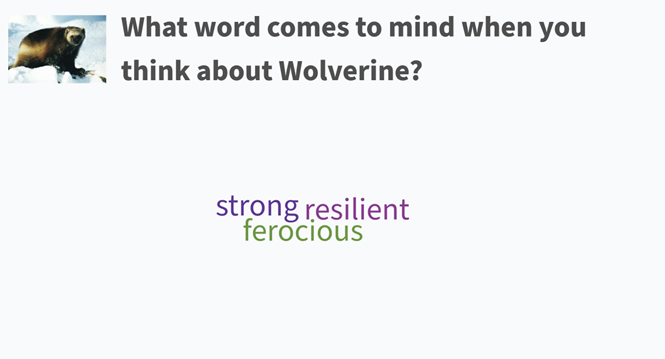
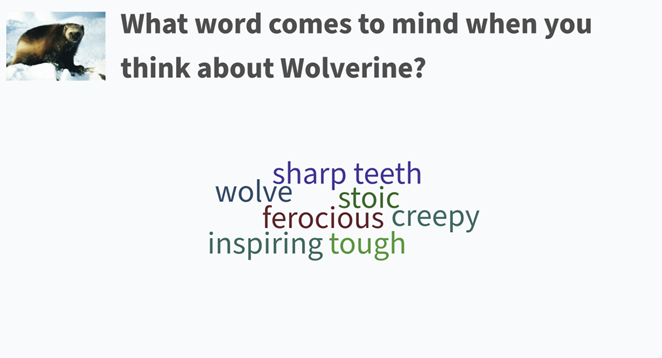
Word Clouds

Needs Assessment Follow-up Sessions, October 15 & November 19, 2024

In 2023, a Needs Assessment (pdf version) was conducted by the Center for Indigenous Environmental Resources (CIER) to determine how well Environment and Climate Change Canada was communicating with, supporting, and empowering Indigenous communities across Manitoba, Saskatchewan, and Alberta to participate in the Federal Species at Risk recovery process. Modest capacity funding for participation in the workshop is available and the privacy of participants will be respected and maintained. Prairie Needs Assessment Final Review.pdf


Stand Off, Alberta for the event, hotel accommodation is in Lethbridge, Alberta.

The Buffalo: A Treaty of Cooperation, Renewal and Restoration is inviting all Bison, Buffalo, Iinnii, Tatanga, Tatanka, Paskwâwimostos, Xaniti, Qwisp, Kamquq̓ q̓ ukuǂ ʔiyamu, Iyanee’, heneeceeno’,ésevone, Mushkode Bizhikim, Q’weyqway, Hii3einoon, boyzhan, and many more relatives to a Gathering this September 22-25, 2024. The event is co-hosted by Motokiiksi (Buffalo Women’s Society), Blood Tribe (Kainai First Nation) of Blackfoot Confederacy and the International Buffalo Relations Institute.

Please complete your application by August 16th, 2024. You will be notified if you are successful by September 3rd, 2024. Please note that there is modest funding available so we are looking to support roughly 4-5 families to attend.

Apply here.


CIER Learning Circle Series : Wolverines – September 26, 2024

Starting on September 26, 2024 the Centre for Indigenous Environmental Resources in collaboration with Environment Climate Change Canada will be hosting a monthly Learning Circle Series. 

The Series will be hosted by various recipients of the Species at Risk Act, Cooperation, Consultation and Accommodation (SARA-CCA) fund, to present on their projects and the various outcomes.

The first Learning Circle will be hosted by Mamun Abdullah with the Prince Albert Grand Council who attended an engagement session last fall, 2023, to discuss Wolverines with the event hosts, the Northern Saskatchewan Trappers Association in Prince Albert, Saskatchewan. The session will include reflections on what made it successful among various stakeholders from the planning to the final deliverable to support the recovery of Wolverine populations. If you would like to attend this session at 12:00 pm – 1:00 MT, please register here.

If you are interested in becoming a Learning Circle presenter for fall/winter sessions, capacity funding is available. Please contact Kat Hewitt ([email protected])

In the meantime we will keep you posted on upcoming Learning Circles.


Learning Circle: Taku River Tlingit First Nation Grizzly Bear Film: Pacific and Prairie- November 26, 2024

CIER and Environment and Climate Change Canada, Canadian Wildlife Service (ECCC-CWS) invite you to join our next Learning Circle on Tuesday, November 26th, 12:00 – 1:00 pm Pacific Time.

Join us for a very special screening of the Taku River Tlingit First Nation’s short film depicting the Tlingit relationship to Grizzly Bears (xóots)! The film is called “xóots áyá xat,” which means, “Grizzly Bear, that’s me.”

The video gives a voice to the Taku River Tlingit community as they express their values and relationship with xóots (Grizzly Bear) within their traditional territory. Participants share traditional stories that underpin the relationship of coexistence between the Tlingit people and xóots. Following the screening will be a discussion with TRTFN’s Fisheries Coordinator, Mark Connor.

Learning Circles are a great opportunity for Indigenous Nations, organizations and their partners to learn about stewardship activities and share about their work. This session is open to anyone in your community or organization interested in attending, so please feel free to share this invitation.


Funding Support and Information Session: Recovery Planning of Terrestrial Species at Risk

January 15, 2025: 9:30 – 11:00 PT / 11:30 – 1:00 CT / 12:30 – 2:00 ET

We are inviting applications for funding to support Indigenous Nations’ participation in Environment and Climate Change Canada’s (ECCC) listing and recovery planning processes for terrestrial species at risk. We are also holding an information session to provide an overview of this initiative and the funding available to support involvement in the different project components for the final year of the project. The information session will be held on January 15th from 9:30 – 11:00 PT/11:30 – 1:00 CT/12:30 – 2:00 ET. During this session, further explanation will be provided with opportunity for questions and discussion. To register for this session, please select the link below. 

Register for Zoom meeting


February Learning Circle: Respecting Wahkohtowin with Todd Bailey

February 24, 2025

Environment and Climate Change Canada, Canadian Wildlife Service (ECCC-CWS) invite you to join our next online Learning Circle on Monday, February 24th from 12 – 1 pm MT. CIER’s Learning Circles are an opportunity for Indigenous Nations/organizations and their close partners to share learnings from projects related to species at risk. 

Our February Learning Circle will be a discussion on Respecting Wahkohtowin, led by Todd Bailey, Director of Land Stewardship and Environmental Protection for Swan River First Nation and a Registered Professional Forester in Alberta and British Columbia. CIER been working alongside Todd for some time, supporting initiatives that promote Indigenous-led environmental stewardship and sustainable land management. Through his leadership, Todd has been instrumental in advancing approaches that honour the Cree concept of Wahkohtowin, which reflects the interconnectedness of all living things and guides responsible relationships with the land.

We are fortunate to have this discussion led by Todd and look forward to learning from his experiences and perspectives.

You can register by clicking here or below through Zoom. This session is open to anyone in your community or organization interested in attending, so please feel free to share this invitation. 

Finally, if you are interested in becoming a Learning Circle presenter for winter/spring sessions, capacity funding is available, please contact Kat Hewitt, Project Manager, CIER ([email protected]

Zoom Registration


April Learning Circle: Wednesday, April 30, 2025 / 12:00 – 1:00 pm (PT)

The Centre for Indigenous Environmental Resources (CIER), with financial support from Environment and Climate Change Canada, Canadian Wildlife Service (ECCC-CWS) invite you to join our next online Learning Circle on Wednesday April 30 from 12:00 – 1:00 pm Pacific Time. CIER’s Learning Circles are an opportunity for Indigenous Nations/organizations and their close partners to share learnings from projects related to species at risk.

The April Learning Circle will be a discussion on Indigenous-led conservation and youth leadership and advocacy training with To Swim and Speak with Salmon.  

This Indigenous-led project has a cohort Indigenous and non-Indigenous youth from the Yukon and Alaska. These youth are being trained in place-based knowledge, conservation, leadership, public speaking, governance, politics, advocacy, community-based research methods, and more. Through collaboration with Indigenous Knowledge holders, spiritual leaders, salmon people, salmon biologists and managers, the youth will gain knowledge from stories of salmon culture and relationships.  

The project aims to equip the youth to address challenges facing Pacific salmon and continue messaging from Yukon First Nation leadership and citizen concern for salmon, while prioritizing Indigenous rights and responsibilities to salmon relatives. Through this initiative, Youth Leaders will be trained and empowered to lead and support First Nations to live sacred obligations to Swim and Speak with Salmon through our shared stewardship responsibilities. Below are a few photos from different workshops and training events:

Register by clicking here or below through Zoom. This session is open to anyone in your community or organization interested in attending, so please feel free to share this invitation. 

Register in advance for this meeting: Zoom Registration

After registering, you will receive a confirmation email containing information about joining the meeting.

If you are interested in becoming a Learning Circle presenter for an upcoming session, capacity funding is available, please contact [email protected]


October Learning Circle with Nak’azdli Whut’en and Kapawe’no First Nation   

Friday, October 17, 2025 /  12-1:30 p.m. PT. 

The Centre for Indigenous Environmental Resources (CIER), with financial support from Environment and Climate Change Canada’s Canadian Wildlife Service (ECCC-CWS) invites you to join our upcoming Learning Circle on Friday October 17th from 12-1:30 pm PT

Each month in spring, fall and winter CIER holds a lunch time Learning Circle to provide opportunities for Indigenous Nations/organizations and their close partners to share learnings from projects related to species at risk. Our October Learning Circle will be centered around community engagement including use of workshops, interviews and surveys to support species at risk conservation and recovery.  

We are excited to have presentations from Nak’azdli Whut’en and Kapawe’no First Nation who have both been part of ECCC-CWS and CIER’s multi-year Species at Risk Act – Consultation, Cooperation and Accommodation (SARA-CCA) project: 

Nak’azdli Whut’en Ndi yun k’ut khusna (“On this living land”) Project  

Ndi yun k’ut khusna  (“On this living land”) is an annual event hosted by Nak’azdli Whut’en that brings together a diverse array of voices from across the Carrier Sekani territory to engage in meaningful dialogue about wildlife stewardship. This year’s Ndi yun k’ut khusna included participation from community members, Elders, youth, trappers, outfitters, scientists, leadership, and ECCC-CWS staff. By combining traditional knowledge with western science, the outcomes of Ndi yun k’ut khusna inform decision-making processes, resource management strategies, and community education, growing a movement of knowledge-sharing, relationship-building, and collective responsibility for the land and wildlife that sustain the community. 

Kapawe’no First Nation Grizzly Bear Project  

Kapawe’no First Nation’s Grizzly Bear study focused on the gathering of traditional knowledge to inform the development of the upcoming federal management plan for Grizzly Bear. The study included data collection through community events, one-to-one interviews and the use of wildlife cameras. By combining data collection methods, Kapawe’no First Nation was able to provide the federal government with a strong first-hand testimony on the importance of Grizzly Bears to the land and people, informing processes and necessary actions to be included in the upcoming management plan.  

Please see the speakers’ bios, Alyssa Lepka and Michelle Knibb for more information. 

You can register by clicking here or below through Zoom. This session is open to anyone in your community or organization interested in attending, so please feel free to share this invitation. 

Zoom Meeting:  

When: Oct 17, 2025 12:00 PM Pacific Time (US and Canada)  

Register in advance for this meeting

After registering, you will receive a confirmation email containing information about joining the meeting. If you have any questions, please contact [email protected] or [email protected] 


October Learning Series – Community Engagement and Facilitation Training

The Centre for Indigenous Environmental Resources (CIER), with financial support from Environment and Climate Change Canada’s Canadian Wildlife Service (ECCC-CWS) invites you to join our upcoming training session:


Indigenous Engagement and Facilitation Training Session on Tuesday, October 21st at 9:30 – 12:30pm PT / 10:30 – 1:30pm MT.  


CIER will be hosting workshops and training sessions throughout fall to support capacity building for Indigenous Nations and Organizations included in the multi-year Species at Risk Act – Consultation, Cooperation and Accommodation (SARA-CCA) project.  Community engagement is often at the forefront of SARA-CCA project activities and is frequently cited in project work. This October we will be joined by David Plamondon of Pe Metawe Consulting and diving into a discussion and training session focused on improving community engagement through an authentic Indigenous lens. This training will focus on different techniques and tools that can be used to drive engagement in addition to exploring how to motivate and engage community members, and how to ensure self-care to avoid burnout and frustration of both the community engagement facilitators, and the community.  

David Plamondon is a Cree professional and community advocate from Treaty 8 First Nations. David was raised in Slave Lake and Grouard, and has focused his career on supporting, uplifting and advocating for Indigenous Peoples throughout Turtle Island. With a background on both recruitment and employment supports, David has a unique perspective on how to properly engage with Indigenous Peoples, while upholding traditional and modern Indigenous values. 

You can register for the above training session by clicking the zoom link

This training session will be geared towards people earlier in their career; however, we welcome everyone to attend. Seats will be limited and offered on a first come, first serve basis with up to two seats allocated per Indigenous Nation or organization.

After registering, you will receive a confirmation email containing information about joining the meeting. If you have any questions, please contact [email protected] or [email protected] 


November Learning Series – Wildlife and Plant Research Techniques Training 

Tuesday, November 18th at 9:30 – 11:00 am PT / 10:30 – 12:00pm MT.   

The Centre for Indigenous Environmental Resources (CIER), with financial support from Environment and Climate Change Canada, Canadian Wildlife Service (ECCC-CWS) invites you to join our upcoming Wildlife and Plant Research Techniques Training on Tuesday, November 18th at 9:30 – 11:00 am PT / 10:30 – 12:00pm MT.   

CIER has been hosting workshops and training sessions throughout fall to support capacity building for Indigenous Nations and organizations included in the multi-year Species at Risk Act – Consultation, Cooperation and Accommodation (SARA-CCA) project.   

November’s training will be on Wildlife and Plant Research Techniques. Topics will include passive wildlife studies such as camera trapping, snow tracking, pellet surveys, and eDNA, along with an overview of wildlife capture methods, telemetry studies, and biological sampling. We will also explore specific techniques for studying amphibians, bats, birds, invertebrates, mammals, and reptiles. Additionally, the training will cover plant survey methods and habitat data collection techniques. 

This session will be led by Joey Chisholm (MSc, BSc), a Community Engagement Coordinator (Southern Mountain Caribou) at CIER. Joey has spent almost 15 years working and studying in the environmental field. He has been involved in a variety of wildlife research and conservation projects, working with many species at risk, including the American Badger, Grizzly Bear, Southern Mountain Caribou, Vancouver Island Marmot, and Western Painted Turtle. 

Please note that this training is geared towards people earlier in their career; however, we welcome anyone in your community or organization interested in attending to do so, therefore please feel free to share this invitation.  

To register for this training please click the zoom link 

After registering, you will receive a confirmation email containing information about joining the meeting. If you have any questions, please contact [email protected] or [email protected]

Please keep an eye out for further email invitations to the next SARA-CCA Learning Circle and an additional training opportunity planned for late November/early December! 


January Learning Circle – Iskotew (Fire): Reconnecting Relationships and Land Stewardship Planning Swan River First Nation

January 20, 2026 – 12:00 PM Mountain Time (US and Canada)

The Centre for Indigenous Environmental Resources (CIER), with financial support from Environment and Climate Change Canada’s Canadian Wildlife Service (ECCC-CWS), invites you to join our upcoming Learning Circle on Tuesday, January 20th from 12:00–1:00 pm MST.

Each spring, fall, and winter, CIER hosts a lunchtime Learning Circle to provide opportunities for Indigenous Nations and organizations, along with their close partners, to share learnings from projects related to species at risk. These sessions support knowledge-sharing, relationship-building, and reflection across regions.

Our January Learning Circle will focus on fire (Iskotew) and its role in reconnecting relationships and informing land stewardship planning.

We are pleased to feature a presentation from Swan River First Nation, presented by Todd Bailey, building on earlier community-led work under the project “Wahkotowin – Reconnecting Relationships with SRFN and Caribou.” That work emphasized reconnecting members to the land through cultural, spiritual, and traditional knowledge, and grounding land-use decisions in community values.

The upcoming presentation expands on this foundation by exploring fire as a key force shaping the landscape and influencing stewardship planning. Todd will share Swan River First Nation’s current work using cloud-based fire modelling to support risk assessment and scenario exploration. This approach helps inform community safety, identify important landscape values, and guide future stewardship options and priorities, continuing a relationship-based approach to land stewardship planning.

You can register for the Learning Circle by clicking the link here or below. This session is open to anyone in your community or organization who may be interested, and we encourage you to share this invitation broadly.

Register in advance for this Zoom meeting 

After registering, you will receive a confirmation email containing information about joining the meeting.


Learning Series: Tracks and Scat Identification

Tuesday, January 27th at 10:30 am – 12:00 pm PT / 11:30 am – 1:00pm MT

The Centre for Indigenous Environmental Resources (CIER) invites you to join our upcoming Who Goes There? Identifying Wildlife by Tracks, Scat and Other Signs Training Session on Tuesday January 27th at 10:30 am – 12:00 pm Pacific Time / 11:30 am – 1:00pm Mountain Time.   

CIER has been hosting a Learning Series of workshops and training sessions throughout the fall and winter to support capacity building for Indigenous Nations and organizations as part of the multi-year Species at Risk Act – Consultation, Cooperation and Accommodation (SARA-CCA) project, a partnership with Environment and Climate Change Canada’s Canadian Wildlife Service (ECCC-CWS).   

This training will focus on learning to identify wildlife species by observing their tracks, scat and other signs, such as tree damage and den sites. It will include an overview of how to identify and differentiate tracks and scat in the field, a review of resources available to support this work, and a summary of how you can apply these skills to study wildlife and species at risk. This training will primarily focus on mammals, with an emphasis on ungulates and carnivores, but will also briefly cover other species. 

Joey Chisholm (MSc, BSc), Community Engagement Coordinator – Southern Mountain Caribou at CIER, will lead this training. Joey has spent almost 15 years working and studying in the environmental field. He has been involved in a variety of wildlife research and conservation projects, working with many species at risk, including the American Badger, Grizzly Bear, Southern Mountain Caribou, Vancouver Island Marmot, and Western Painted Turtle. 

To attend, please register via Zoom here.

After registering, you will receive a confirmation email containing information about joining the meeting. If you have any questions, please contact [email protected] or [email protected] 

Please keep an eye out for further email invitations to the next SARA-CCA Learning Circle and additional activities! 


Contact

Kat Hewitt, Project Manager, CIER ([email protected])
Kate Cave, Senior Project Manager, CIER ([email protected])

For questions specific to activities involved in the SARA Consultation, Cooperation and Accommodation Project: [email protected]

For general inquiries regarding Species at Risk and other ECCC programs: [email protected]