Mission & Vision
CIER supports Indigenous people and communities to be leaders of positive environmental change, using the best of Western and Indigenous knowledge to create a world that is in balance and supports the well-being of all living things.
Origin
CIER is Canada’s first Indigenous-directed environmental non-profit charitable organization and was founded in 1995 by eight First Nation Chiefs from across Canada. They determined the need to build capacity within Indigenous Communities so they could manage their environmental challenges by creating their own institutions and partner with governments and other organizations. As a culturally diverse and collaborative organization, CIER supports Indigenous peoples in building sustainable communities and protects lands, waters and all living things. Since 1995 CIER has worked on 450 projects with over 300 Indigenous nations across Canada while also reaching into the United States.
How we work
CIER focuses on meeting Indigenous nations’ needs, as they define them. We change the world by listening to and enabling our First Nations partners to build on their strengths. We use and value traditional, local, and Western science methods, and work across political boundaries and cross-cultural settings on environmental issues, recognizing and respecting Indigenous rights.
CIER’s team members are based in British Columbia, Manitoba, Ontario, and Northwest Territories. Staff are Indigenous as well as non Indigenous, as CIER leadership has always recognized that solving environmental challenges requires many different perspectives and worldviews. CIER is governed by an Indigenous Board of Directors and collaborates with numerous national and regional Indigenous partner organizations and advisors.
Funding Policy
CIER does not receive core funding from any sources, government or corporate. All of CIER’s funding is secured on a project-by-project basis, through donations, grants and contracts from foundations, government department funding programs, corporations, corporate foundations and private donors. We work with project partners to determine which sources of funding they are comfortable accepting, with the pursuit of funds differing from community to community and project to project.
Founding Board Members
Grand Chief L. Phil Fontaine, Assembly MB Chiefs
Chief Roger Augustine, Eel Ground
Chief Commissioner Manny Jules, Kamloops
Chief Strater Crowfoot, Tsuu Tina
Chief Bernie Meneen, Little Red River Cree
Chief Terry Lavallee, Cowessess
Chief Joe Guy Wood, St. Theresa Point
Grand Chief Matthew Coon Come, Grand Council Crees of Quebec
Board of Directors
Phil Fontaine
Phil Fontaine
B.A. (Manitoba), LL.D. (Brock), LL.D. (R.M.C.), LL.D (Windsor), LL.D (Lakehead)
Larry Phillip Fontaine, Anishinabe from Sagkeeng First Nation in Manitoba, is an exemplary leader with a proven track record of getting results in the advancement of First Nations people and recognition of Treaty/Aboriginal rights at the local, regional and national levels.
In July 2006, Phil Fontaine was re-elected to his third term as National Chief of the Assembly of First Nations, with a strong mandate to improve the lives of First Nations people through the Getting Results agenda. The results:
- First Nations Political Agreement on Indian Residential Schools – negotiation of a $4 billion federal compensation package on behalf of 86,000 former students, along with the establishment of a truth and reconciliation process;
- First Nations Political Accord on the Recognition and Implementation of First Nations Government – addressing broad issues of self-government, a new fiscal transfer system, implementation of Treaties and restoration of lands and resource rights;
- AFN Renewal Commission – 47-recommendation report on improving the political structure of the AFN, including a universal First Nations vote for National Chief;
- First Ministers Meeting on the Future of Health Care – securing a $700-million investment for Aboriginal health and ongoing efforts for the control and administration by First Nations;
- First Ministers Meeting on Aboriginal Issues – First Nations-led discussions at the First Ministers Meeting in Kelowna saw federal, provincial and territorial leaders agree to a 10-year challenge to eradicate First Nations poverty in Canada.
Phil was first elected as National Chief of the Assembly of First Nations in 1997. During his term, he helped negotiate the federal government’s Statement of Reconciliation [in response to the Royal Commission’s Report on Aboriginal Peoples (RCAP)], First Nations involvement in the federal government’s Clarity Bill, and the development of the Certified General Accountants of Canada’s Memorandum of Understanding. He helped build bridges between Indigenous people of North America through the Declaration of Kinship and Cooperation and was the first Native leader to address the Organization of American States. His belief in creating an inclusive Assembly of First Nations ensured that all information was accessible in both French and English languages for the first time.
Following his term, Phil was appointed Chief Commissioner of the Indian Claims Commission. During this time, he oversaw the resolution of an outstanding 1907 land claim that resulted in a $94.6 million settlement for Kahkewistihaw First Nation of Saskatchewan.
Phil’s political career began as a youth activist with the Canadian Indian Youth Council. At the age of 28, he was first elected Chief of Sagkeeng, serving two consecutive terms. Under his leadership, the community was the first to establish three milestones among Canada’s First Nations – a locally controlled education system, child and family services, and the first on-reserve alcohol treatment centre.
Motivated by his dedication to his people, Phil’s next stop in his career path was to take a different approach, by becoming Regional Director-General of the Department of Indian Affairs and Northern Development (DIAND) in the Yukon. He next completed a degree in Political Science at the University of Manitoba in 1980, before becoming a special advisor for the Southeast Resource Development Council.
Phil’s passion for improving the lives of his people led him back to politics, where he was elected for three consecutive terms as Grand Chief of the Assembly of Manitoba Chiefs. Working with Manitoba’s First Nations, Grand Chief Fontaine played a key role in the development of Manitoba’s Framework Agreement Initiative, the signing of an Employment Equity Agreement with 39 federal agencies, and in the defeat of the Meech Lake Accord. As Grand Chief, he was the first Aboriginal leader to publicly expose the shocking abuses that existed in secrecy within the Indian residential school system by sharing his personal experiences during his 10 years at these federally-run schools.
In recognition of his many accomplishments, Phil has been awarded Honorary Doctorate of Law degrees from Royal Military College, Brock University, the University of Windsor and Lakehead University. He was made a Member of the Order of Manitoba in 2004. In 2005, Phil was selected number one as the Top 50 Capital People of 2005 by Ottawa Life Magazine. One of his greatest honours came from this own people when he received a National Aboriginal Achievement Award for his work in the public service.
Throughout his political career, Phil has remained closely connected to his culture and traditions, and is a fluent speaker of the Ojibway language. A family man, he is the proud father of two children and Mishoom to five grandchildren. In his spare time, Phil enjoys listening to music and is an avid runner.
Peigi L. Wilson
Peigi L. Wilson
Peigi is Métis. She was raised in Dundas, Ontario. She guided and taught canoeing to help pay for university, where she earned an Honours Bachelor of Arts Double Major in History and Political Science from the University of Western Ontario in 1984 and a law degree from the University of Victoria in 1990.
In 1992, following her call to the Bar of Ontario, Peigi moved to Bangkok, Thailand, where she wrote for business and legal publications on Thai business and environmental law. In 1994, Peigi moved to Nairobi, Kenya where she worked at the United Nations Environment Program (UNEP), Environmental Law Centre. At UNEP, Peigi focused on international trade and water law. While overseas, she traveled extensively throughout Asia and Africa.
Upon her return to Canada in 1998, Peigi turned her focus to national law and policy, working for one year each at Indian and Northern Affairs and Environment Canada. She joined the Assembly of First Nations in 2000, serving from 2004-2006 as the Director of Environmental Stewardship.
Over the years, Peigi has worked on a wide variety of Aboriginal, international, and environmental issues. At the international level, in addition to trade and water law, Peigi has worked on issues of climate change, biological diversity, hazardous wastes, respect for traditional knowledge, and intellectual property rights. At the federal level, Peigi has supported the reform of all major environmental laws to ease their negative impact on Aboriginal peoples, and the implementation of law that respects Aboriginal peoples’ rights and interests.
Peigi is currently pursuing a Master of Laws at the University of Ottawa and does freelance environmental research and writing. She lives in Ottawa and at Crow Lake, Ontario with her husband.
Roger Augustine
Roger Augustine
Mr. Augustine, a Mi’kmaq from New Brunswick, was Chief of Eel Ground First Nation from 1980 to 1996. Prior to that, he served on council for four years. The AFN Regional Chief for First Nation communities in New Brunswick and Prince Edward Island, he has been involved in politics, economic development, and the environment for over 30 years.
During his time as a community leader, Mr. Augustine co-founded the Atlantic Policy Congress (APC), which is the political voice for First Nations Chiefs in Atlantic Canada. He also co-founded the North Shore Mi’kmaq Tribal Council. In 1981, Mr. Augustine was one of several dozen representative Chiefs from across Canada who signed the historic 1981 Declaration of Aboriginal and Treaty Rights.
Mr. Augustine considers one of his greatest career accomplishments to be in the field of addictions treatment. After receiving specialized credentials from St. Francis Xavier University in Drug and Alcohol Education, Mr. Augustine made enormous strides in dealing with addiction in his community by introducing a curriculum for Eel Ground Federal School. During his tenure as Chairman of National Drug and Alcohol Advisory Board he received several awards in his field. He is still chairman of the Rising Sun Treatment Centre at Eel Ground. He is also a trained mediator (Alternative Dispute Resolution, University of Waterloo), a member of the ADR Institute of Ontario, and has used his skills in crisis response situations.
In 1995, Mr. Augustine successfully negotiated a $90 million partnership between eight New Brunswick First Nations communities and U.S. lumber companies. Two years later, the First Nations received a $2.5 million profit.
He is also a Commissioner for Indian Land Claims, and An Assurance Group Member of Mining, Minerals and Sustainable Development.
Margaret Swan
Margaret Swan
Margaret Swan was born in Winnipeg and spent her childhood and youth living on the Lake Manitoba First Nation. As a young woman she was in the military and later spent time working in various roles with First Nations and First Nation organizations.
She began her career in Portage la Prairie working as a social worker with Dakota Ojibway Child and Family Services (CFS) and Sandy Bay CFS. She then went on to become Chief of Lake Manitoba First Nation, prior to being elected as Grand Chief of the Southern Chief’s Organization (SCO) 2000-2004.
She has also worked coordinating long-term planning for foster care at the Ma Mawi Wi Chi Itata Centre Inc. in Winnipeg. Swan was pivotal in moving the Indian Day School Class Action Lawsuit Settlements through to reality as a lead plaintiff, advocating to see that historic day happen in August 2019. She is Director of CFS for SCO, and also sits as Chair of the Board of the Southern First Nations Network of Care.
Our Team

Leslie Agger
Leslie Agger
Leslie is Anishinaabe-kwe from the Lac Seul First Nation in Northwest Ontario.
Her background is in community-based research with a focus on oral histories, environmental assessment, First Nation-industry negotiations, and Anishinaabe health. She studied in Scandinavia and in Canada in the fields of statistics, systems ecology, and Indigenous studies.
Leslie is also a Public Representative for the College of Physicians and Surgeons of Manitoba, and has a passion for improving the health and experiences of Indigenous people in health care.
A mother and lover of the outdoors, Leslie enjoys camping, cross-country skiing, running, downhill skiing, and most of all, returning to her homeland of Trout Lake, Ontario, where her mother was raised, and she spent a great deal of her life.
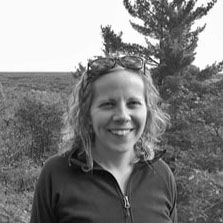
Kate Cave
Kate Cave
Kate is located in Unama’ki (Cape Breton), the unceded, ancestral territory of the Mi’kmaw people.
Kate has been a member of the CIER team since 2014, and currently provides support as a Senior Project Manager.
With 20 years’ experience working with Indigenous communities, she has gained a diverse skill set in community engagement strategies, facilitation and collaboration techniques, and analytical skills to solve complex problems. She has led a range of projects from local to national in scale and across diverse thematic areas, including water, waste, climate change, and biodiversity. Kate has a master’s degree in Environmental Studies from the University of Waterloo; and, a bachelor’s degree in Environmental and Native Studies from Trent University.
When she is not at her desk, you will find Kate spending time outdoors, curled up with a good book, or planning her next trip.
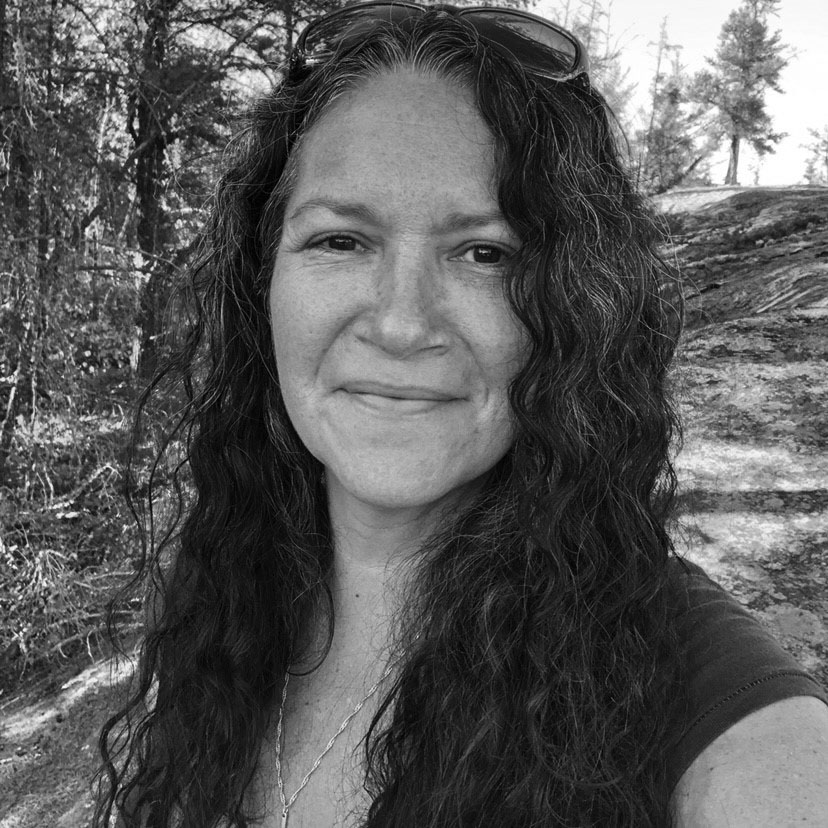
Rachel Charette
Rachel Charette
Rachel is located in Winnipeg, Manitoba, Treaty One Territory, on the traditional and contemporary land of the Anishinaabe, Cree, Dakota, Dene, Métis, and Oji-Cree Nations. Rachel is Red River Métis with family roots in historical Métis communities throughout the Red River area (St. Vital, St. Boniface, Ste. Anne, and St. Norbert, Manitoba as well as Pembina, North Dakota).
Rachel has over 25 years experience working in the Indigenous community in executive roles (Executive Director in non-profit organizations and Senior Director in large institutions) in the areas of community justice, family violence prevention, mental health and education. She has a Bachelor of Arts degree (Geography/Environmental Studies), a Bachelor of Laws degree, and is completing a Master of Social Work based in Indigenous Knowledges degree. Her thesis focus is on eco-social work and validating and promoting land-based healing and Indigenous ways of knowing, doing and being.
Rachel joined CIER (Centre for Indigenous Environmental Resources) in October 2022 as Biodiversity Project Manager. In this role she is responsible for overseeing the national and regional SARA-CCA (Species at Risk Act – Consultation, Cooperation and Accommodation) project which facilitates Indigenous Nations’ participation in Environment and Climate Change Canada’s (ECCC) listing and recovery planning process for terrestrial species as part of implementing the federal Species at Risk Act.
In her spare time Rachel enjoys spending time outdoors with her two children and partner, traveling, gardening, learning about traditional arts and native plants, restoring parts of her land to tallgrass prairie, and also volunteering her time on a number of Indigenous organization’s boards of directors, committees and events.
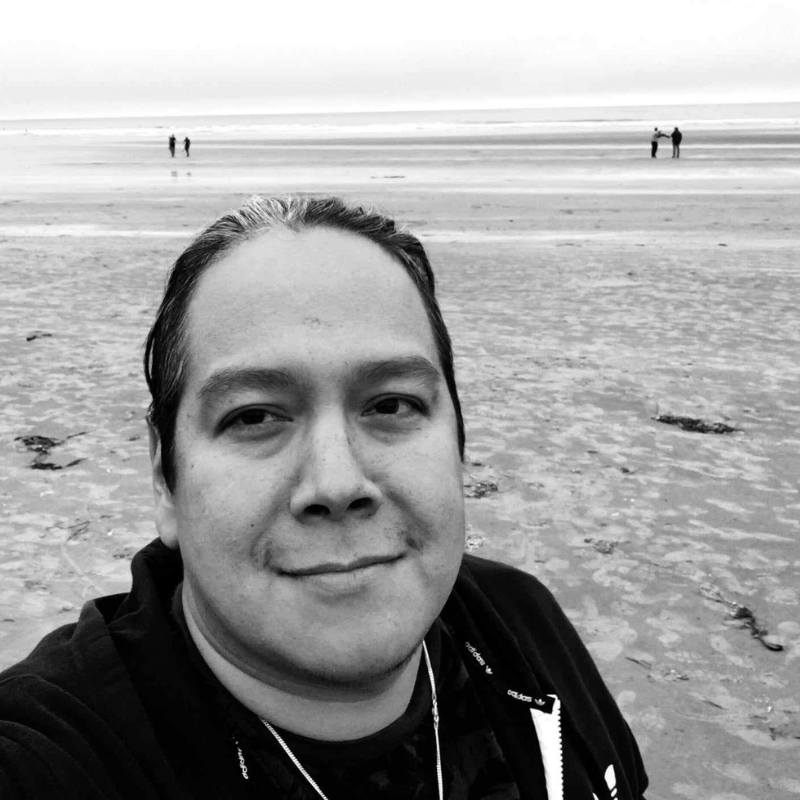
Jason Cook
Jason Cook
Tansi, Boozhoo, Oki,
Jason is a welcomed guest and has had the benefit and honour of living, working, and studying on the ancestral and unceded territory of the Coast Salish Peoples, including the territories of the Musqueam, Squamish and Tsleil-Waututh Nations, otherwise known as Vancouver, BC. Jason is Nehiyaw (Cree), Anishinaabe (Ojibway), and Naskapi Piikani (Blackfoot) endow (forever). He has roots in Treaty 5 territory, Pimicikamak Cree Nation, otherwise known as Cross Lake, Manitoba.
Jason recently graduated from Native Education College (NEC) from the Indigenous Land Stewardship (ILS) certificate program. Jason has a Bachelor of Environmental Studies from The University of Manitoba, along with an Environmental Assessment and Protection certificate from the Centre for Indigenous Environmental Resources (CIER) program.
Jason has been an active student of the environment and shares the same passion about protecting creation. He has had many experiences working with Indigenous communities, from frontline hands-on to policy development. He has travelled across Turtle Island and the world, gaining experiences from the BC west coast, northern and southern Manitoba First Nations, as well as the Black Mesa Water Coalition, and New Mexico, to Palenque, Mexico, as a representative of Manitoba for the Convening for Mother Earth Conference, and an International Internship in Gisborne, Aotearoa (New Zealand).
Jason joined CIER in late 2023 as a Climate Change Associate, working on the Wildfire Smoke project, with a combined focus on climate change and sustainable foods. Cultural restoration, Indigenous movements, and environmental projects that motivate communities to wellness are what inspires and informs Jason’s work. Jason spends time at the Indigenous Garden and is active in community ceremonies.
Nukauniginah! Blessings all my relations!

Chantel Henderson
Chantel Henderson
Chantel joined CIER as a Climate Change Research Associate. She is Ojibway from Sagkeeng First Nation and Pinaymootang First Nation in Manitoba. She grew up in Winnipeg, Manitoba, where she currently resides and is the mother of one daughter.
Her background is in business administration, urban studies, missing and murdered Indigenous peoples advocacy, women’s safety, community economic development, environmental education / activism, anti-Indigenous racism, clean energy, and energy efficiency.
Chantel studied business administration and has degrees from the University of Winnipeg and Concordia University (Montreal, QC). She is trained in Crime Prevention Through Environmental Design, KAIROS blanket exercises, recovery workshops, the 2020 Catalyst program, and currently sits on two boards: the Manitoba Eco-Network and Efficiency Manitoba.
Chantel is passionate about nature, conserving the environment for the next seven generations, attending ceremonies, and being a traditional drummer. She loves cats, reading autobiographies, singing karaoke, listening to music, biking in the city, walking nature trails, and travelling.

Kate Hewitt
Kate Hewitt
Kate is located on the unceded territory of the Northern Secwepemc te Qelmucw and Tŝilhqot’in.
Kate (Kat) has nearly 20 years of experience in the Natural Resources Management field with specific interest in Wildlife Management and Conservation Planning and is a Qualified Environmental Professional specializing in Natural Resource Management. Since 2017, Kate has been working directly with First Nation communities in British Columbia and previously served the role of Co-Chair and Mentor of the First Nations – B.C. Wildlife and Habitat Conservation Forum. She has attained a H.B.A. in Human Geography and Social-Cultural Anthropology from the University of Toronto, and two advanced diplomas in Ecosystem Management from Fleming College in Lindsay, Ontario. Kate has also achieved a variety of certifications including Basic Wildlife Rehabilitation and RISC Archaeology & CMT Inventory Training for Crew Members.
Kate has been working as a Project Manager at CIER since 2021. She is responsible for delivering and facilitating projects related to CIER’s thematic areas of Climate Change and Energy, Traditional Knowledge, and Biodiversity as they relate to collaborative initiatives and partnerships with Indigenous communities and various stakeholders. When she is not working, Kate enjoys international and local volunteering with non-profit wildlife organizations (including ones in South Africa and The Bahamas) and loves all aspects of music, including writing songs, playing instruments, and listening to a variety of genres.
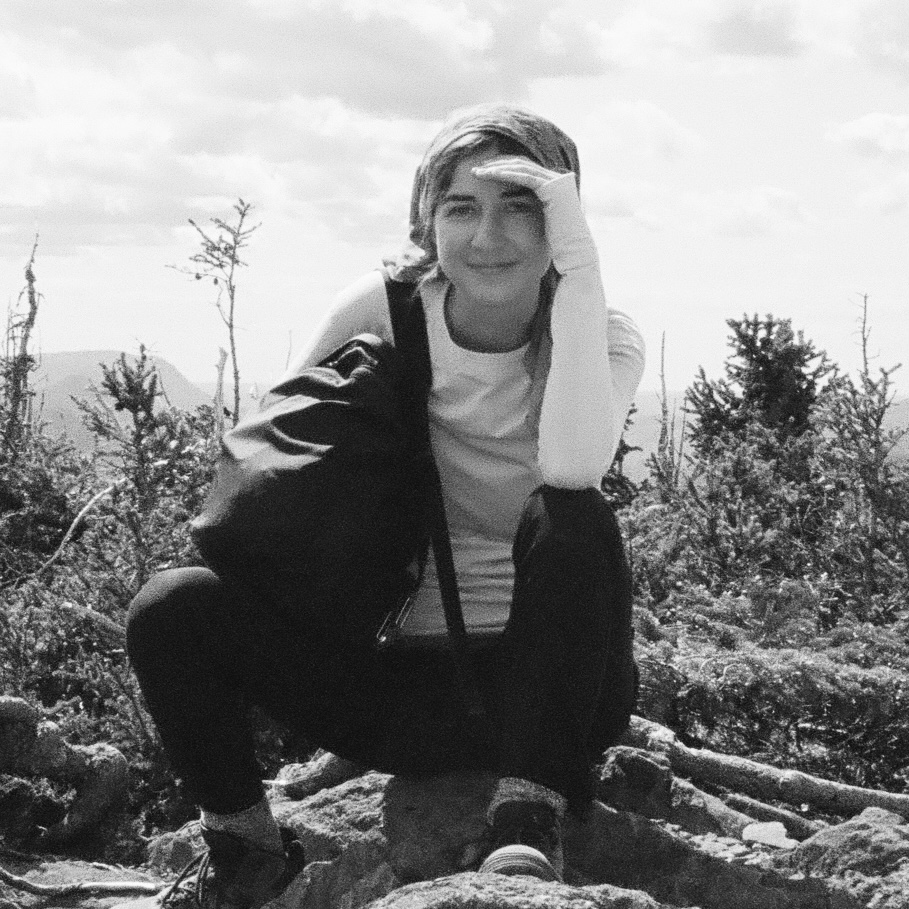
Emily Hoppe
Emily Hoppe
Emily is located in Tiohtiá:ke/Montréal on the traditional and unceded lands of the Kanien’kehá:ka Nation, in the St. Lawrence River watershed.
Emily is currently completing a Masters of Environment in Environmental Assessment at Concordia University where her thesis research focuses on Legal Personhood for Rivers in so-called “Canada”. She also holds a Joint Honours Bachelor of Arts in Anthropology and International Development of Environment and Agricultural Resources from McGill University. Emily’s anthropological fieldwork experience provides her with unique problem-solving skills relevant to building trust within communities, solving problems, uplifting marginalized voices, and supporting meaningful participation. She has been involved in various research projects during her undergraduate and graduate degrees across Quebec, Nunavut, Greenland, Siberia, Kenya, Uganda, and Tanzania. She worked as a Junior Policy Analyst and Environmental Project Officer for Crown-Indigenous Relations and Northern Affairs Canada before joining CIER in 2023.
Emily is currently one of CIER’s Biodiversity Associates. In her role, she supports delivery on projects related to CIER’s thematic areas (Water, Climate Change and Energy, Traditional Knowledge, Biodiversity, Youth, Indigenous Food, and Sustainable Waste Management) and maintaining collaborative initiatives and partnerships with Indigenous communities, government agencies, private sector companies, philanthropic and charitable organizations, non-profits and academic institutions.
In her free time, Emily enjoys singing around the fire, playing guitar, cooking meals for friends, rug hooking, paddling, and backcountry camping.
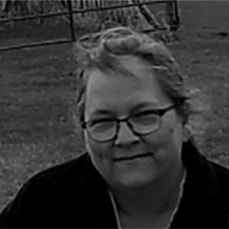
Kathy Johnson
Kathy Johnson
Kathy is located in Winnipeg, Manitoba: Treaty 1 Territory, on the traditional territory of the Anishinaabe, Metis, Cree, Dakota, and Oji-Cree Nations, in the Lake Winnipeg Basin
Kathy is a dedicated administrator, she is proactive and strategy minded, driven to efficiently amass accurate and relevant information that enhances CIERs ability to achieve its mission. As Finance & Administration, Kathy’s focus is on supporting CIER staff to ensure their projects are on time and within budget. She is responsible for ensuring all steps of project full cycle accounting activities are complete and that expectations of all internal and external stakeholders are met. Kathy has 20+ years of experience and holds certificates in Applied Financial Management & Accounting, Accounting and Applied Management.
As Kathy has a passion for cooking, when she is not at her desk working you can likely find her in the kitchen.
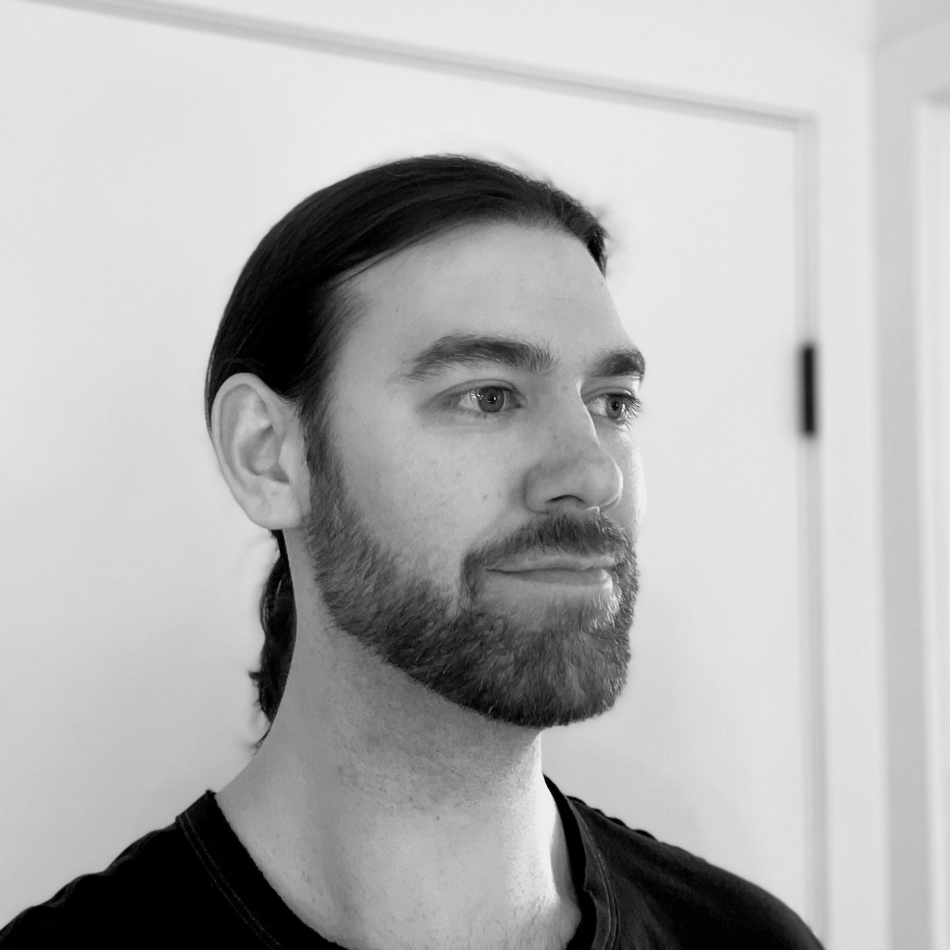
Corey Labossiere
Corey Labossiere
Corey is located in Winnipeg, on Treaty One lands, the original territories of the Anishinaabe, Cree, Oji-Cree, Dakota, Lakota, and Dene peoples, and the homeland of the Red River Métis. Corey is a Red River Métis citizen who has worked with Indigenous-focused projects since 2017 and has spent time learning Michif—a language with fewer than 500 remaining speakers.
As the Communications Associate at CIER, Corey assists in the development and execution of creative and strategic efforts, such as social media, advertising, graphic design, website content, e-blasts, and the newsletter.
Corey graduated from Red River College Polytechnic’s Creative Communications program in 2015. With nearly a decade of experience in the communications industry, Corey’s advertising, marketing, and branding experience led to the creation of his latest book, How To Build Your Brand From Zero, which outlines a brand-building methodology for businesses.
Corey enjoys a variety of hobbies including cooking, reading, playing music, writing, foraging edible mushrooms, and travelling.

Jennifer Lisle
Jennifer Lisle
Jennifer is located in Burlington, Ontario, traditional land of the Anishinaabeg, Haudenosaunee, Attiwonderonk, and Mississaugas of the Credit First Nation peoples. Jennifer is a member of the Chippewas of Kettle and Stony Point.
Jennifer completed her B.Sc. (Hons.) in Biology in 2021 and has attained a graduate certificate in Environmental Management and Assessment from Niagara College. Her education has provided her with 4 years of experience in performing technical research and data collection, assessing environmental laws and regulations, performing laboratory analysis of field samples, and examining environmental management systems. During her postgraduate education, Jennifer interned as a Greenhouse Gas (GHG) analyst for a winery in the Niagara region. In this role, she honed her analytical and technical writing abilities while determining the GHG emissions associated with various activities performed by the winery. Combined with her technical skills, Jennifer has 6 years of experience in the customer-service and hospitality industry, adding to her teamwork and communication skills.
Jennifer is currently working as a climate change associate for CIER, where she supports the delivery of CIER’s projects. In her role, Jennifer works on projects related to CIER’s thematic areas (Water, Climate Change and Energy, Traditional Knowledge, Biodiversity, Youth, Indigenous Food, and Sustainable Waste Management) and maintaining collaborative initiatives and partnerships with Indigenous communities, government agencies, private sector companies, philanthropic and charitable organizations, non-profits and academic institutions.
In her spare time, you can find Jennifer reading a good book, practicing yoga, and spending time with her friends and family.
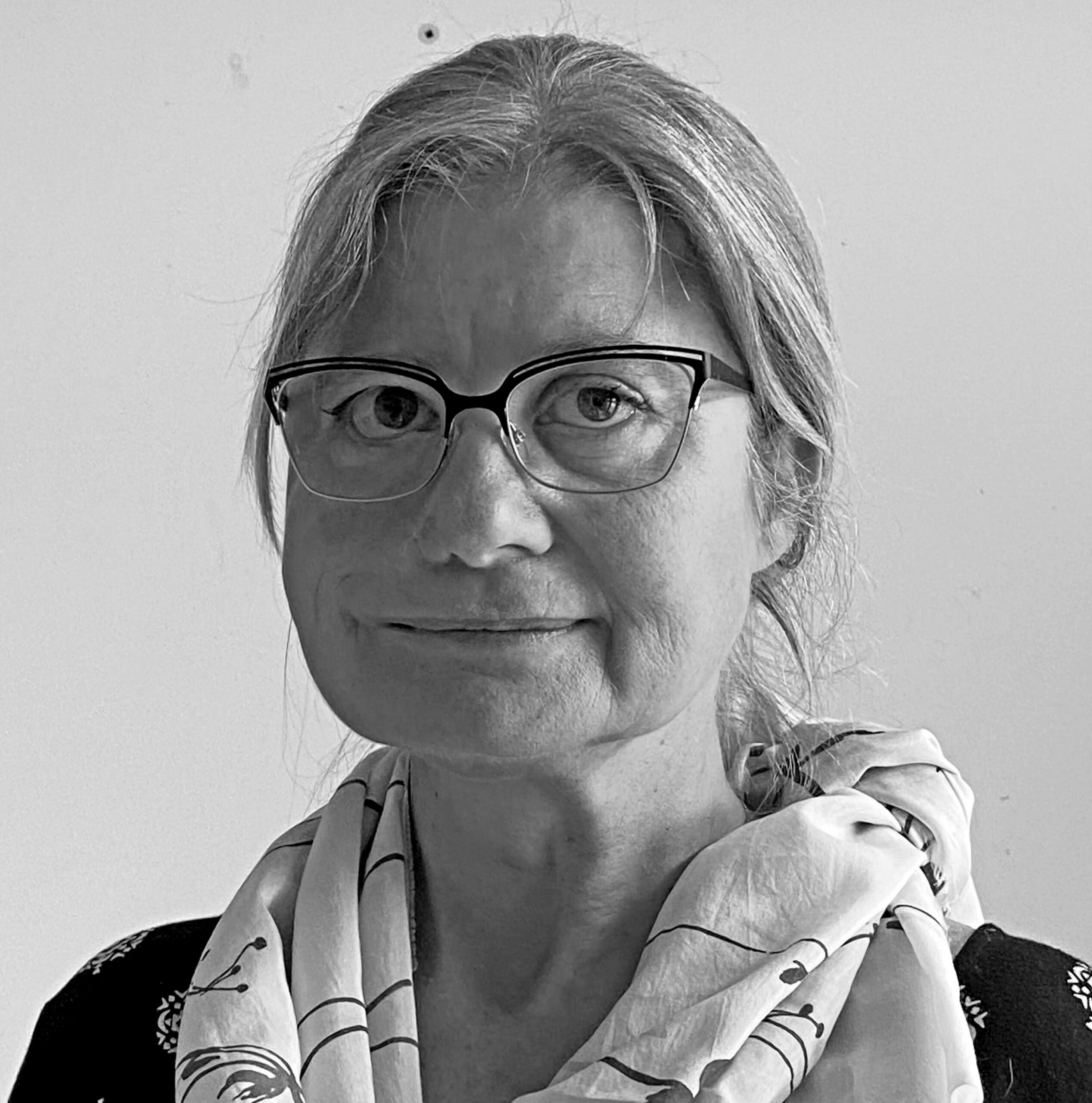
Lynn Mallett
Lynn Mallett
Lynn is located in Oakville, Ontario, which is located on Treaty Lands and Territory of the Mississauga’s of the Credit First Nation and the traditional territory of the Huron-Wendat and the Haudenosaunee. She joined the CIER team in August 2021, and currently provides support as a Project Manager. Since being with CIER she has assisted with management and facilitation of a national climate action and awareness funding program, and a Species at Risk funding program for Indigenous communities.
A large part of her career has been spent providing capacity-building programs in the area of water and wastewater treatment for Indigenous communities throughout BC. She has also completed a graduate degree which looked at developing a sustainability tool which included Indigenous communities, government, and consultants in selecting appropriate water and wastewater treatment technologies for remote Indigenous communities.
She has a Bachelor of Science degree in Biology and Environmental Science from Guelph University, and a Master’s of Science degree in Environmental Management from Royal Roads University.
When she is not working, Lynn enjoys staying active outdoors, including cycling and gardening in the summer, and skiing and snowshoeing in the winter. When forced to be indoors, she enjoys cooking, reading, and spending time with her cats.
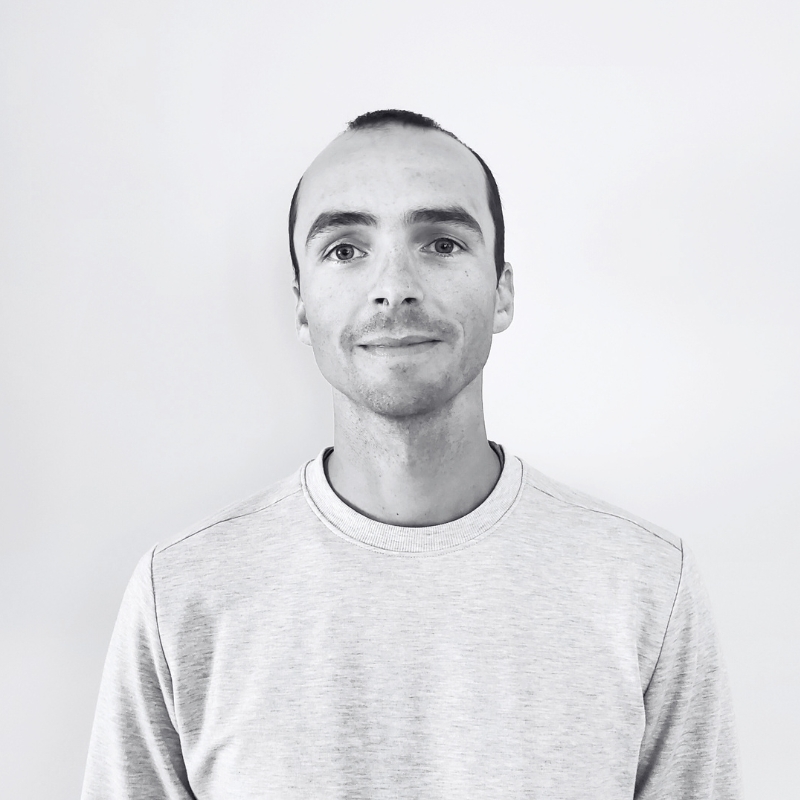
Brent Martel
Brent Martel
Brent is located in St Malo, Manitoba, Treaty One Territory, on the traditional and contemporary land of the Anishinaabe, Cree, Oji-Cree, Dakota, Lakota, Métis and Dene peoples. Brent is a Red River Métis citizen.
Brent has a Bachelor of Science degree in Mechanical Engineering from the University of Manitoba and has professional experience in the areas of product design, statistical problem solving and engineering project management.
Brent is currently working as a Climate Change Project Manager and is responsible for CIER’s Deep Retrofit Accelerator Initiative project, supporting the Canadian Net-Zero Emissions Accountability Act by facilitating Deep Retrofit Emission Reduction initiatives in Indigenous communities throughout Canada.
In his free time, Brent enjoys running, cycling, Nordic skiing and snowmobiling.
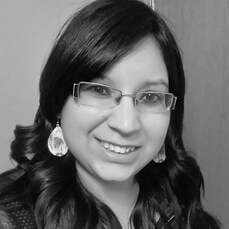
Shianne McKay
Shianne McKay
Shianne is located in Brandon, Manitoba: Treaty 2 Territory, on the traditional territory of the Anishinaabe, Cree, Dakota, and Oji-Cree Nations.
Shianne has 15 years of experience in the Environmental Conservation Sciences field; 14 years working directly with First Nation communities. Shianne joined CIER in September 2009. She is Ojibway and a member of the Pine Creek First Nation in Manitoba, Treaty 2 and 4. She has attained a B.Sc. in Environmental and Conservation Sciences with a major in Conservation Biology from the University of Alberta. In 2013, she received a certificate in Indigenous Women in Community Leadership from the Coady International Institute at St. Francis Xavier University.
Shianne is currently one of CIER’s Senior Project Managers. She is responsible for all stages in developing and delivering projects related to CIER’s thematic areas (Water, Climate Change and Energy, Traditional Knowledge, Biodiversity, Food Sovereignty, and Sustainable Waste Management) and developing and maintaining collaborative initiatives and partnerships with Indigenous communities, government agencies, private sector companies, philanthropic and charitable organizations, non-profits and academic institutions. Shianne has experience managing staff, chairing meetings, facilitating workshops, developing proposals and is also a member of CIER’s Executive team.
In her free time, Shianne enjoys being outdoors with her family- hiking, camping, fishing, and having large family picnics or potlucks. She truly is at home in the kitchen or bush campfire and loves to cook and bake.
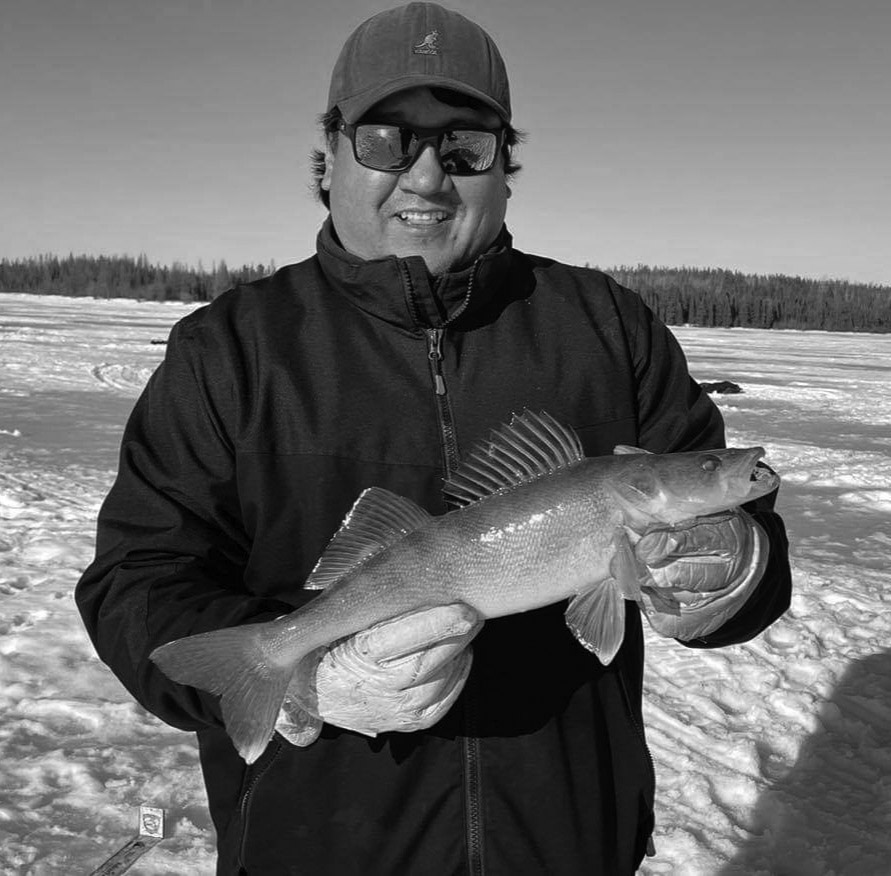
Thomas McKay
Thomas McKay
Thomas McKay is located in Winnipegosis, Manitoba: Treaty 2 Territory, on the traditional lands of the Anishinaabek, Ininiwak, Dakota, and the homeland of the Métis Nation, in the Lake Winnipegosis Basin. He is a member of Nisichawayasihk Cree Nation Manitoba with roots in Pine Creek First Nation.
Thomas spent the last 13 years as a Regional Fisheries Biologist II for the Manitoba Government in Thompson, Manitoba. He has a diploma in Natural Resource Management Technology from University College of the North. He has 20+ years of experience working as a civil servant with First Nation communities in the area of aquatic monitoring to maintain or enhance fish populations and habitats.
Thomas joined CIER in August 2022 as a Biodiversity Associate. In his role he supports delivery on CIER projects related to Water, Climate Change and Energy, Traditional Knowledge, Biodiversity, Youth, Indigenous Food, and Sustainable Waste Management. He also maintains collaborative initiatives and partnerships with Indigenous communities, government agencies, private sector companies, philanthropic and charitable organizations, non-profits and academic institutions.
Outside of work, Thomas enjoys participating in competitive fishing event, playing guitar and spending time in the outdoors with his family.
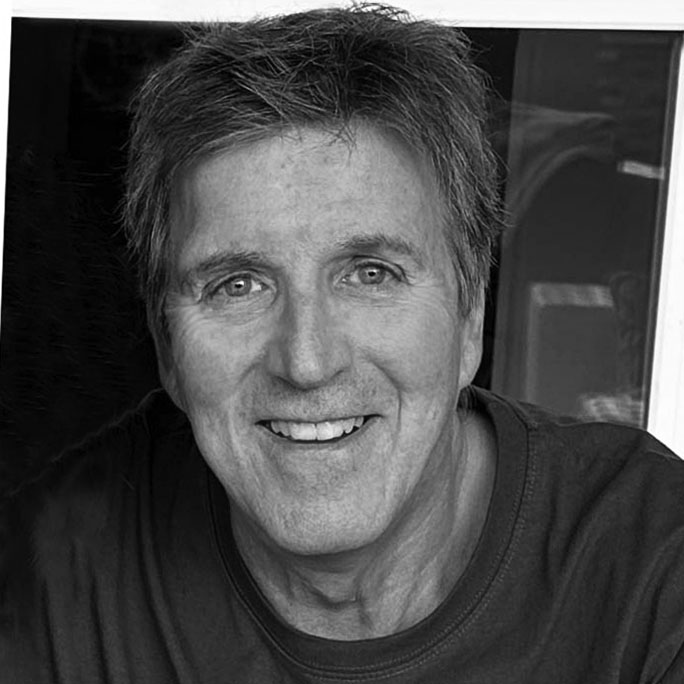
Ken McIntyre
Ken McIntyre
Ken is located in Winnipeg, Manitoba: Treaty 1 Territory, on the traditional territory of the Anishinaabe, Metis, Cree, Dakota, and Oji-Cree Nations, in the Lake Winnipeg Basin.
Ken has over 30 years of experience in the for-profit and non-profit sectors as a senior level communications professional. A creative and strategic leader with a passion for problem solving and relationship building. An imaginative, big-picture thinker who thrives on shaping unique, emotive, and strategic creative solutions. Insightful communication skills contribute to successful relationships and project outcomes. A dynamic, multitasking project manager that delivers efficiently from strategy to tactics.
Ken enjoys the serenity of being close to nature right in his own backyard on the Seine River with his spouse Deborah. Frequent visitors include deer, groundhogs, rabbits and raccoons. He enjoys travelling to see family and close friends in the United States and learning different cultures of foreign lands. Cuba is a favourite spot with frequent visits creating close and longstanding friendships with two families. He is a camera geek who enjoys street photography and capturing a moment in time. Witty and loves puns, causing many a groan from colleagues.
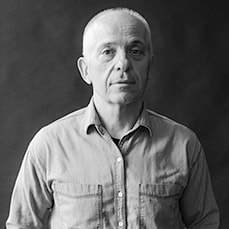
Michael Miltenberger
Michael Miltenberger
Michael is the principal of North Raven where he works collaboratively on water protection and governance, renewable energy development, building efficient government, expediting land claims and strategic planning. As MLA and Minister of numerous portfolios in the Government NWT, his roles have been diverse, reflecting his broad interest in bettering the lives of northerners. He is a co-convener of the Collaborative Leadership Initiative in Manitoba. He is a member of the Forum for Leadership on Water and now advises indigenous governments, and private, public, and NGO sector clients on environmental and Indigenous issues.
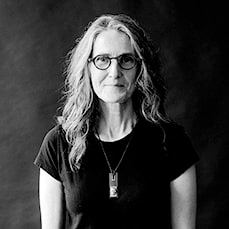
Merrell-Ann Phare
Merrell-Ann Phare
Merrell-Ann Phare is a lawyer, author and the founding Executive Director of the Centre for Indigenous Environmental Resources, a national First Nation charitable environmental organisation. Merrell-Ann is a Commissioner of the International Joint Commission and co-convener of the Collaborative Leadership Initiative in Manitoba. She was Chief Negotiator on behalf of the Government of the NWT in their negotiation of transboundary water agreements in the Mackenzie River Basin and for the creation of Thaidene Nene, a national and territorial park in the east arm of Great Slave Lake. She is a member of Smart Prosperity, the Forum for Leadership on Water and is a recipient of the Clean 50 Award. She is legal counsel and advisor to a number of First Nation governments and regularly speaks on governance, water, and rights issues.
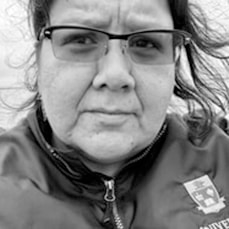
Wendy Ross
Wendy Ross
Wendy is located in Winnipeg, Manitoba: Treaty 1 Territory, on the traditional territory of the Anishinaabe, Metis, Cree, Dakota, and Oji-Cree Nations, in the Lake Winnipeg Basin
Wendy is from Treaty 5 and family ties to Pimicikamak (Cross Lake), Kinosao Sipi (Norway House) and Makeso Sakahikan (Fox Lake) which are located along the Kischi Sipi (Nelson River). She earned a Bachelor of Arts degree and a Master of Arts in Native Studies examining the political history, governance & hydro development within Pimicikamak homelands. Prior to working at CIER, Wendy was the program coordinator for the NSERC CREATE H2O Program at the University of Manitoba whose focus was to train graduate students in sciences and engineering to work with First Nation communities on water projects. Wendy has also worked with Makeso Sakahikan (Fox Lake) Kitayastisuk (Elders – people who hold the wisdom of their ancestors) on Aski Keskentamowin(land and water knowledge) studies for Keeyask and Bi Pole III.
Away from her desk, Wendy enjoys spending time with her daughter and partner; listening to music; and, attending Crossfit and spin classes.

Reiley Terbasket
Reiley Terbasket
Reiley is located on the traditional territory of the lək̓ʷəŋən Peoples, known today as the Songhees, Esquimalt, W̱SÁNEĆ First Nations communities in Victoria, BC. Reiley is a proud member of the Lower Similkameen Indian Band, syilx (Okanagan) Nation.
Reiley attainted a B.Sc. in Biology at the University of British Columbia Okanagan in 2021. She has three years of experience working for Indigenous organizations and directly with Indigenous Peoples. After graduation, she worked for BC Parks as a Student Ranger which allowed her to explore many provincial parks in the Okanagan doing park restoration, conservation, invasive species removal, recreation improvements, public outreach, and Indigenous engagement. Reiley then went on to participate in the Indigenous Youth Internship Program (IYIP) and worked for the BC Conservation Data Centre as an Ecosystems and Biodiversity Specialist. In this position, she partnered with members of the syilx Nation on an Indigenous cultural ecosystems project which focused on one of their traditional foods, bitterroot, to incorporate Indigenous Traditional Ecological Knowledge and practices alongside Western scientific practices to assess the conservation status of this ecosystem. She finished the final portion of IYIP working for CIER on the Species at Risk Act Consultation, Cooperation and Accommodation Project (SARA-CCA).
Reiley is currently working for CIER as a Biodiversity Associate. In her role, she is supporting the delivery of CIER’s projects, workshops, trainings for Indigenous communities across the Nation and is maintaining collaborative initiatives and partnerships with Indigenous communities, government agencies, private sector companies, philanthropic and charitable organizations, non-profits and academic institutions.
Outside of work, Reiley enjoys playing basketball recreationally and competitively with her community women’s team, Similkameen Starbirds, at the annual BC All Native Basketball Tournament. She also enjoys outdoor activities like hiking and camping.
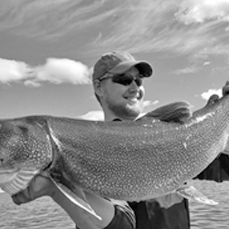
Sjoerd van der Wielen
Sjoerd van der Wielen
Sjoerd is located in Combermere, Ontario, on the traditional unceded, unsurrendered territory of the Anishinaabe Algonquin People, in the Madawaska Basin.
Sjoerd is a dedicated manager and has worked for and with Indigenous communities and organisations for the past 15 years. For the past eight years he has supervised teams in Indigenous organisations that focus on land management, healthy, self-sustaining communities and capacity building, intertwining western knowledge with traditional knowledge.
Sjoerd is a Senior Project Manager at CIER. With his background in GIS, along with his experience supporting the gathering and use of traditional knowledge and implementation of community-based monitoring programs, he helps lead many of CIER’s projects to successful completion.
When Sjoerd is not at his desk, he is doing some sort of outdoor activity or playing Lego with his sons.
Careers
Join CIER as we truly make a difference by helping to create sustainable Indigenous communities and protecting our lands and waters.